Healthcare is more than my profession—it’s a calling. For me, helping people isn’t just what I do; it’s who I am. My thirty-year journey in healthcare has been driven by an unwavering commitment to making a difference in people’s lives, a passion that burns bright from the moment I wake up until I fall asleep at night.
The pandemic was a challenging time for healthcare professionals. After treating an overwhelming number of patients, I found myself at a crossroads. Thirty years in the field had taught me countless lessons, but I also felt a growing need to evolve, to find a new way of continuing my mission to help people.
For two years, I embarked on a deeply personal and professional exploration. I considered various professional paths in an expansion of my private practice services—nutritional psychiatry, exploring the potential of psychedelics—all while navigating my own complex health challenges. It was during this time of introspection that I discovered a transformative approach: hormone therapy.
My journey took an unexpected turn when I found Dr. Heather Hirsch on social media. Simultaneously, I connected with a clinician who would help me understand hormone therapy for menopause. These two connections became pivotal moments in my professional and personal life. Not only did I start feeling better, but I also realized I had found a powerful way to help others.
In healthcare, we often talk about reverse engineering—a process of breaking down how something works to improve or recreate it. For me, this meant looking at how individuals care for themselves and finding ways to create meaningful change. I applied this same principle to my practice, carefully adding hormone therapy as a specialized service.
The decision wasn’t just about expanding my practice. It was about addressing a critical gap in women’s healthcare. I saw countless women struggling, their needs unmet, their experiences overlooked. By incorporating hormone therapy, I knew I could make a real difference.
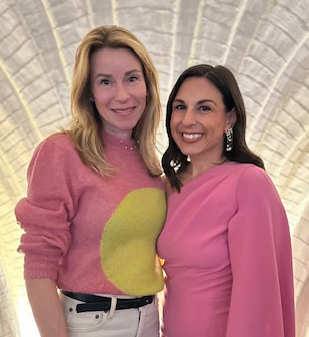
Take the time to hear Heather and my conversation on TheNPRD podcast and if you can pay closer attention to minutes 5, 9 and from 23 to the end these are some of the best parts of our conversation.
I’m not going to go into details about perimenopause and or menopause in this particular blog post. At the same time, if you or someone you care about is in need of education, reassurance and help around what’s FDA approved and how reverse engineering can help, I’m happy to talk with them! And if ultimately I can’t help, I will make sure you’re in the hands of clinicians who can get you to a better place.